Renting and Divorce: Who Gets to Stay?

When it comes to divorce and housing, most resources focus on dividing the family home. But what about the millions of Americans who rent? In fact, 36% of Americans are renters, yet the unique challenges of renting and divorce often go unaddressed.
Your rental home is still your home, filled with memories, comfort, and stability. Whether you’re wondering if you can stay, who will pay the rent during divorce proceedings, or how to navigate lease agreements with your landlord, we’re here for you.
This guide aims to empower you with knowledge about your rights and options as a renter during divorce. (And if you happen to be a homeowner, we’ve written an extensive article about the house and divorce just for you.)
Understanding Your Lease Agreement
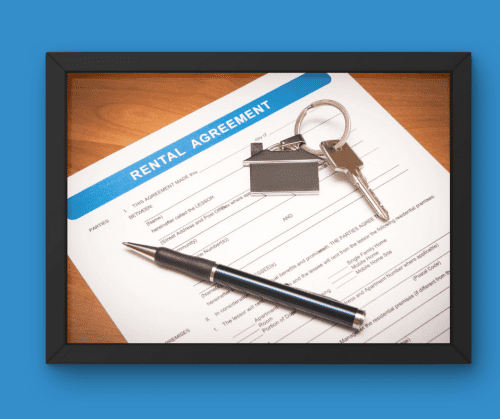
Before you make decisions about your rental situation during divorce, it’s crucial to understand what your lease actually says and how it might impact your housing options. Your lease agreement is a legally binding contract that continues to apply even when your marriage is ending.
Who’s on the Lease Matters
The names listed on your rental agreement significantly affect your rights and responsibilities during separation. If both spouses are on the lease, you’re both legally responsible for rent payments and the condition of the property, regardless of who physically remains in the home. This joint liability continues unless you modify or terminate the lease with your landlord’s agreement.
If only one spouse is on the lease, that person has the legal right to remain in the property and bears sole responsibility for the rental obligations. In other words, if you’re the only one listed on the lease, you’ll be on the hook if your spouse stops paying their portion of the rent.
However, if you moved into your spouse’s rental and never added your name to the lease, that doesn’t necessarily mean you have to pack your bags and go. (No matter what your ex may say.) Courts can issue temporary orders regarding housing arrangements that allow you to stay in your rental. (This is why it’s usually a good idea to consult a divorce lawyer during this process.)
Lease Terms and Limitations
Want to get out of your lease or at least know your options? Review your lease carefully for clauses about early termination, subletting, or adding/removing tenants. Some agreements include specific procedures for these situations, while others might prohibit them entirely.
It’s always helpful to know your options. But don’t give up just because your lease is airtight. It never hurts to contact your landlord or building administrator to explain your situation. These people are human, too, and may be willing to offer you some leeway, especially if you are respectful and can provide notice before making any drastic moves.
Legal Considerations for Renters During Divorce
It’s time to dive into the legal stuff. When you’re renting during a divorce, there are a few key legal points you should know about. (These are also great topics to discuss with your divorce attorney during an initial consultation.)
What Courts Look At
Courts don’t treat rental properties the same way they handle owned homes during divorce. That can be a good thing, as many homeowning couples spend a lot of time (and headaches) negotiating (i.e. arguing) how to divide the equity in a home.
Since you don’t have equity in a rental, the focus shifts to practical considerations.
- Who needs the home more?
- Who can afford it?
- Are there kids involved?
These questions help will help determine temporary living arrangements while your divorce proceeds.
If you’re wondering who pays rent during a divorce, the answer isn’t always straightforward. A judge might order one spouse to continue making payments even if they’ve moved out, especially if children are living in the home or if one spouse has significantly less income.
Temporary Orders Matter
During divorce proceedings, either spouse can ask the court for temporary orders about housing. These orders might require one spouse to move out or specify who’s responsible for rent payments until the divorce is finalized. These aren’t permanent decisions, but they help create stability during an uncertain time.
Remember that even with court orders, your landlord still has rights based on your lease agreement. The court can decide between you and your ex, but those decisions don’t automatically change your obligations to your landlord.
Divorce Settlements and Rental Properties
Don’t underestimate the importance of your rental home in your divorce settlement. For many couples, especially those who’ve built years of memories in the same apartment or rental house, these aren’t just temporary living arrangements. Your rental represents stability, community, and connections. And in today’s housing market, it may be hard to replace.
While divorce lawyers often focus on dividing retirement accounts and deciding who gets the furniture, the details about your rental situation deserve just as much attention in your final divorce settlement. A thoughtful approach to renting and divorce in your settlement can prevent months of stress, financial strain, and potential damage to your rental history down the road.
What to Include in Your Divorce Settlement
A comprehensive divorce settlement addressing renting and divorce should specify:
- Who retains the right to stay in the rental property
- How remaining lease obligations will be divided (even if one person moves out)
- Who receives the security deposit refund when the lease ends
- Who takes responsibility for any damages beyond normal wear and tear
- A timeline for removing the departing spouse from the lease (if possible)
- Contingency plans if the landlord refuses to modify the lease
Don’t rely on verbal agreements about these matters. Put these details into writing as part of your official divorce settlement in order to protect both parties.
Negotiating Rental Terms in Mediation
If you’re using mediation for your divorce, bring your lease agreement to the sessions. Your mediator can help facilitate discussions about who pays rent during a divorce and how to fairly divide responsibilities. They might suggest creative solutions you hadn’t considered.
For example, if one spouse wants to stay but can’t afford the full rent immediately, your settlement might include temporary rental support that gradually decreases over time, giving them a chance to adjust their budget.
When Rentals Involve Other Assets
Sometimes, rental situations intersect with other property divisions. If one spouse paid a large security deposit from separate property (money they had before marriage), they might have a stronger claim to that refund. Similarly, if you’ve prepaid rent or have rental credits, these could be considered in your overall asset division. (Working with an experienced financial advisor can help you understand the full value of your assets and divide them in a fair way.)
Who Gets to Stay? Making the Decision

So, here’s the big question: who keeps the rental when you divorce? There’s no one-size-fits-all answer, but there are several ways to figure this out.
Working It Out Together (If Possible)
In an ideal world, you and your soon-to-be-ex could decide together. Maybe one of you is more attached to the place, or perhaps one person has a better setup for working from home. Having an honest conversation about who wants to stay—and who can realistically afford to—can save you both headaches and court costs.
Many couples make this decision based on practical factors.
- Who works closer to the rental?
- Who has stronger ties to the neighborhood?
- Would moving disrupt one person’s support system more than the other’s?
These questions can help guide your decision about renting and divorce arrangements. And no matter how you feel about the divorce, setting aside your emotions and working with your ex is almost always the better route than trying to fight everything tooth and nail.
When You Can’t Agree
If talking it out isn’t working, your divorce attorneys or a mediator can help negotiate what to do about your rental. They’ll look at things like:
- Who can afford the rent solo
- Who found the place originally
- Whose name is on the lease
- Who has stronger ties to the location
Remember that staying in the rental isn’t always the best move. Sometimes, a fresh start in a new place can be emotionally healthier than living surrounded by memories of your marriage. Also, consider what it would mean for your budget to shoulder the rent on your own.
Be honest with yourself about what you really want—not just what you think you should fight for.
Children and Rental Housing During Divorce

When kids are in the picture, the rental and divorce equation gets a bit more complicated. Courts typically prioritize the stability of your children during this tumultuous time.
The “Best Interests” Standard
You might have come across this phrase during your divorce research, but what does it actually mean for your housing situation? In simple terms, judges look at what living arrangement would cause the least disruption to your children’s lives. This often means keeping kids in the same school district and maintaining their usual routines whenever possible.
If you’re the primary caregiver, this might work in your favor for staying in the rental home. Courts recognize that moving is tough on kids, especially when they’re already dealing with their parents’ separation.
Practical Parenting Considerations
Beyond the legal stuff, think about the practical aspects of your rental: Is it close to both parents’ workplaces to make shared custody easier? Does it have enough space for kids to have their own rooms? Is it affordable enough that whoever stays can maintain it without financial strain?
Some parents choose “nesting” as a temporary solution. This is where the kids stay in the rental, and parents alternate living there. This isn’t for everyone, but for some families dealing with renting and divorce, it provides short-term stability for the children while you and your ex figure out a more permanent arrangement.
Remember, whatever decision you make about your rental during divorce, showing that you’re prioritizing your children’s well-being will always reflect positively on you, both in and out of court.
Financial Realities: Can You Afford to Stay?

Let’s be real: money matters when you’re making decisions about renting and divorce. That rental payment that once came out of a combined household income now has to fit into a single-person budget. It’s time for some honest financial soul-searching.
Crunching the Numbers
Grab a calculator and take a good look at your post-divorce budget. Your rent should ideally cost no more than 30% of your take-home pay. Include utilities, parking, and other housing-related expenses in this calculation. Will you get (or pay) alimony or child support? Factor those numbers in, too.
Don’t forget that living solo means covering all those little expenses that used to be shared—internet, streaming services, groceries, and household supplies. These costs don’t halve themselves when your household splits!
Creative Solutions for Tight Budgets
If you’re asking, “Who pays rent during a divorce?” while looking at your bank account with concern, you’re not alone. Some options to consider:
- Negotiating with your landlord for a smaller unit in the same building
- Finding a roommate (if your lease and living situation allow)
- Looking for rentals in nearby areas with lower costs but similar amenities
- Asking for a temporary rent reduction (some landlords are understanding of divorce situations)
Protecting Your Financial Future
Remember that the decisions you make now will affect your financial health in the long term. Falling behind on rent during the emotional turmoil of divorce could damage your credit score and rental history, making future housing more difficult for you to secure.
If staying means stretching your budget to the breaking point, it might be wiser to find a more affordable place. There’s no shame in downsizing temporarily while you rebuild your financial foundation.
Communicating with Your Landlord

When you’re navigating rental and divorce situations, your landlord will inevitably become part of the equation. How and when you approach this conversation matters.
Timing the Conversation
You don’t need to rush to tell your landlord about your divorce the moment you decide to separate. Wait until you have a clearer picture of what you’d like to happen with the rental. Having some preliminary discussions with your spouse before approaching the landlord can help you present a united front, even during this difficult time.
Different Landlords, Different Approaches
Every landlord situation is unique. If you rent from a local property owner who manages just a few units, they might be more flexible and personally understanding. These landlords often value long-term, reliable tenants and may work with you to find solutions that help during your transition.
On the flip side, if you rent from a large property management company, you’ll likely need to follow their established policies. The leasing office staff may express sympathy about your situation, but they’re usually bound by corporate rules with little room for exceptions. In these cases, knowing your lease terms becomes even more important.
What to Say (and What Not to Say)
When discussing renting and divorce with your landlord:
- Be professional and straightforward—you don’t need to share personal details
- Focus on specific requests: removing a name from the lease, terminating early, etc.
- Have proposed solutions ready, not just problems
- Get any agreements in writing
Remember, your landlord’s primary concern is ensuring the rent gets paid and the property is maintained—not who pays rent during a divorce. Emphasize that you understand their concerns and want to find a solution that works for everyone involved.
Options for Modifying Your Rental Situation
Once you’ve assessed your lease and financial situation, it’s time to explore your practical options for handling your rental during divorce. The good news? You have a lot more flexibility than homeowners dealing with property division. (Renting for the win!)
Lease Transfer: Removing or Adding Names
If you or your ex are staying, it’s a good idea to remove the departing spouse from the lease. This protects the leaving partner from being responsible for future damages or missed payments. The process usually involves:
- Both spouses agreeing to the change
- The landlord’s approval (they might require a credit check for the remaining tenant)
- Signing a lease amendment or new agreement
Keep in mind that landlords aren’t obligated to remove anyone from a lease before it ends. You may also find that removing one partner from the lease disqualifies the remaining person based on their sole income.
Breaking the Lease Early
Sometimes, a fresh start is best for everyone involved. If neither spouse wants to stay, you might need to break your lease. Prepare for potential costs:
- Early termination fees (usually 1-2 months’ rent)
- Continued responsibility until a new tenant is found
- Possible impact on your rental references
Pro tip: Check if your lease has a “hardship clause” that might apply to divorce situations. Some modern leases include provisions for major life changes like job loss, health issues, or yes—divorce.
Subletting or Assigning Your Lease
If your lease allows it, subletting can be a win-win during the renting and divorce process. The departing spouse finds someone to take their place, while the remaining spouse gets help with rent. Always get written landlord approval before proceeding with this option.
Riding It Out Together (Temporarily)
While not ideal, some divorcing couples continue living in the same rental until their lease ends—often in separate bedrooms. This arrangement can work short-term if:
- Your relationship remains civil
- Financial constraints make moving immediately difficult
- You establish clear boundaries and household responsibilities
This approach can allow both parties to save money while planning their next steps, but only consider it if you can maintain a respectful and safe living environment.
(We actually wrote an entire article about this. Check out: Living Separately Under the Same Roof.)
Security Deposits and Rental History Concerns
When handling renting and divorce, don’t overlook the details that could affect your financial future and ability to rent your next place. Security deposits and rental history might seem like small concerns now, but they matter in the long run.
Navigating Your Security Deposit During Divorce
That security deposit you paid when moving in? It’s technically considered jointly owned marital property, even if only one person’s name is on the receipt. Here’s what you need to know:
- The deposit follows the lease, not the person—if one spouse stays, the deposit typically stays with the property
- If both move out, the returned deposit (minus any damages) should be divided according to your divorce agreement
- Consider documenting the current condition of your rental with dated photos to protect both parties from unfair damage claims later
Pro tip: If one spouse is staying, the departing spouse might negotiate for “their half” of the security deposit as part of the divorce settlement. The staying spouse would then be responsible for any future claims against the deposit.
Protecting Your Rental History
Your rental history follows you, affecting your ability to get housing in the future. When navigating who pays rent during a divorce, keep these considerations in mind:
- Late or missed payments will impact both spouses if both your names are on the lease
- Evictions appear on both renters’ records and can make future renting difficult
- Property damage claims can affect both parties’ rental references
If you’re the departing spouse, don’t assume you’re off the hook for rent payments just because you’ve moved out. Until you’re legally removed from the lease, payment problems can damage your rental history, too.
Building Positive Landlord References
Even during this difficult time, maintaining a good relationship with your landlord can pay dividends later:
- Keep communication professional and drama-free
- Continue to report maintenance issues promptly
- Follow all lease terms regarding notice periods and property care
Remember that your next potential landlord may call your current one for a reference. How you handle your rental during divorce can directly impact your housing options down the road.
Moving Forward: Finding Stability After Rental Changes

The journey through renting and divorce isn’t easy, but remember that this challenging period is temporary. With each decision you make about your housing situation, you’re building the foundation for your new beginning.
Embracing the Fresh Start
While homeowners often face lengthy property sales and equity divisions, renters have a unique advantage: mobility. Your current housing decision doesn’t have to be permanent. The freedom to choose a new living space that truly reflects your next chapter can be unexpectedly empowering.
Many people discover that changing their environment helps with emotional healing. Whether you stay in your current rental or find a new place, take the opportunity to reorganize, redecorate, or reimagine your space in ways that support your well-being.
Planning Your Next Steps
As you work through who pays rent during a divorce and other practical concerns, keep these final tips in mind:
- Start building your independent rental history as soon as possible
- Save for a new security deposit if you’ll be moving
- Begin researching neighborhoods that support your post-divorce lifestyle
- Consider proximity to your support network when choosing your next home
You’re Not Alone
Remember that thousands of people navigate rental and divorce situations successfully every year. By understanding your rights, communicating clearly with all parties involved, and making decisions based on both emotional and financial well-being, you’re taking positive steps toward stability.
If you’re feeling overwhelmed by the rental aspects of your divorce, consider attending a Second Saturday Workshop. Our experienced professionals can provide guidance specific to your situation and connect you with resources to make this transition smoother.